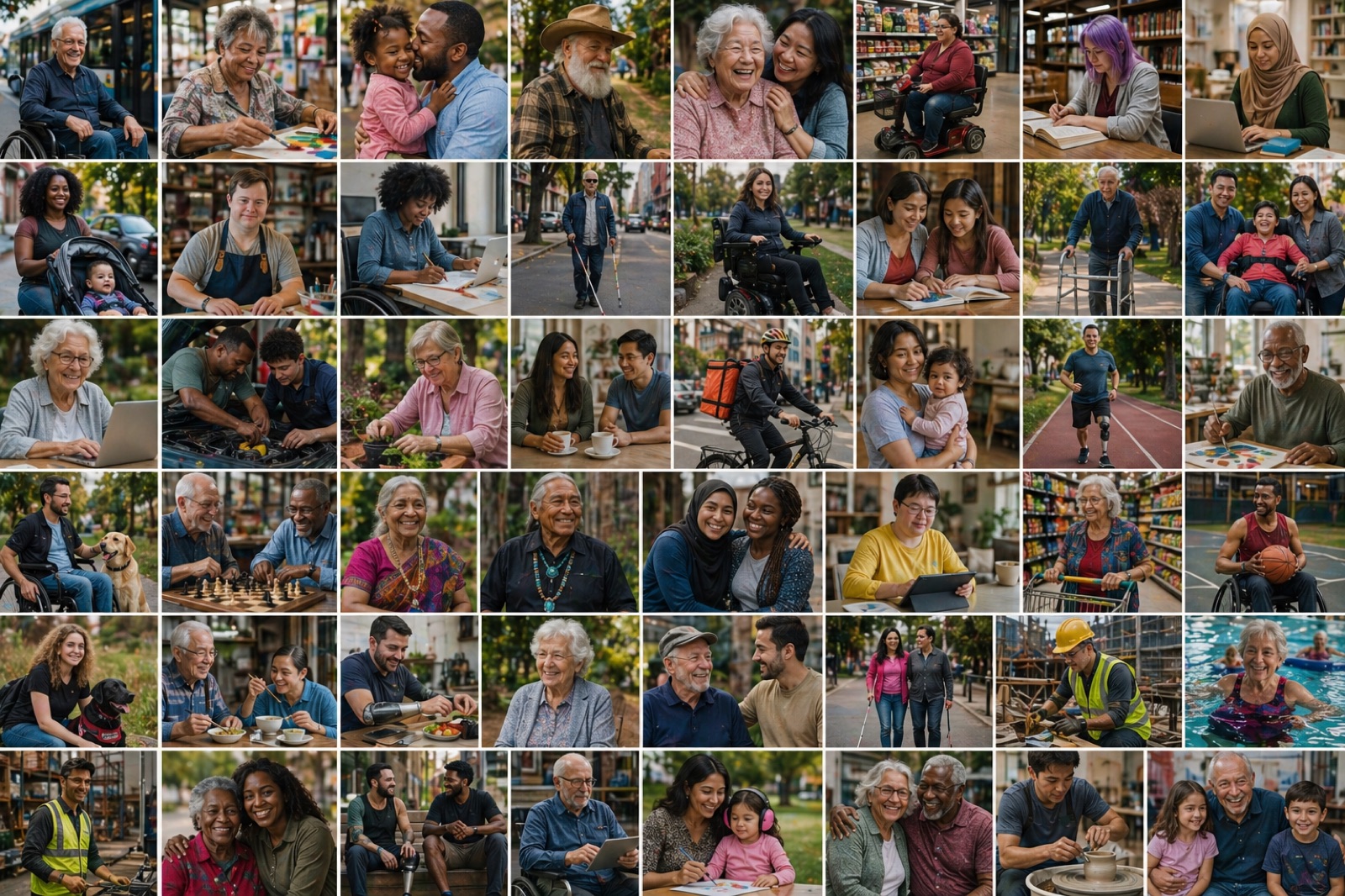
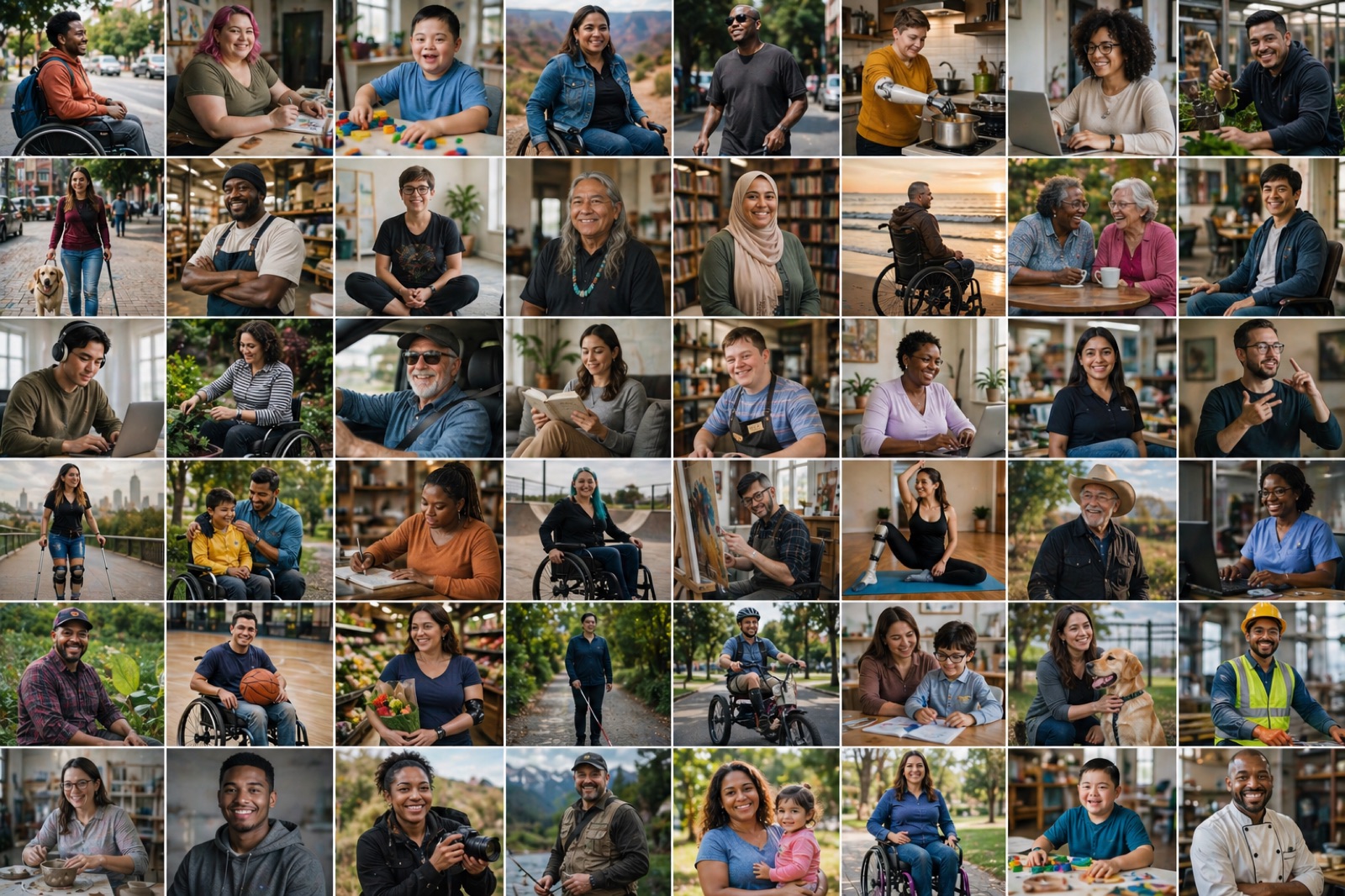
You can't speak the way the world expects? Come with us.

We don't care why. Stroke. Autism. ALS. Aphasia. Cerebral palsy. Brain injury. Apraxia. Dysarthria. Selective mutism. Late-stage dementia. Traumatic injury. Lifelong condition. We care that you can't — and we're building the world that finally hears you.

Every age  ·  Every cause  ·  One tribe

Different causes. Same barrier. When speech breaks, the world stops listening. AgeWell Alliance — born in Connecticut — names this gap voice impairment and pushes for the laws and accommodations that finally close it, in every public and private place.

Why we exist

There's a tribe that doesn't have a name yet.

The disability rights movement names the people who can't see, can't hear, and can't get around. It hasn't named the people who can't speak the way the world expects.

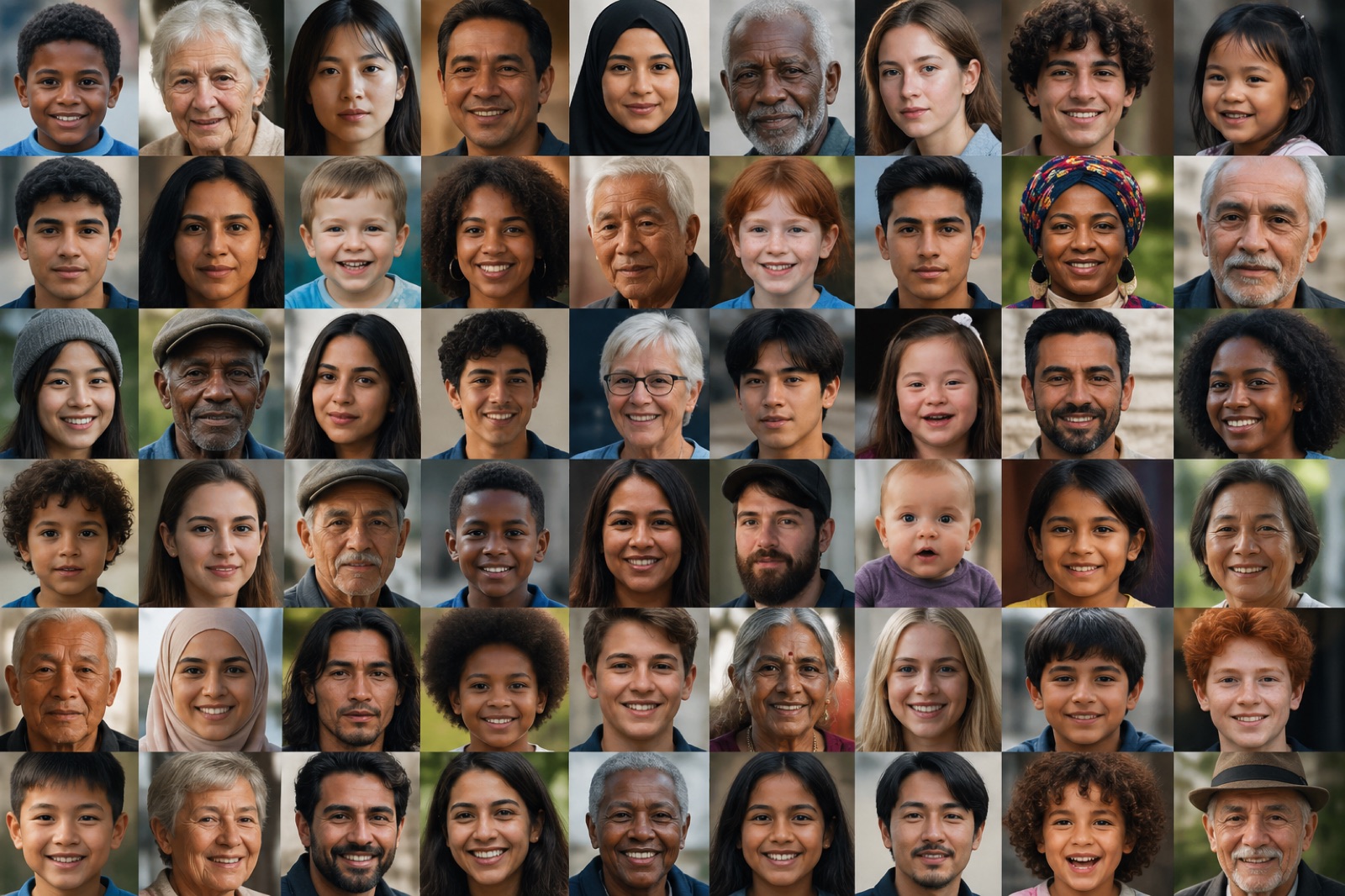
Stroke survivors. AAC users. People with aphasia. People with cerebral palsy. Brain injury survivors. ALS patients. People with apraxia, dysarthria, and selective mutism. Late-stage dementia families. Autistic individuals. Each community has its own advocates. None of them share a single banner.

They share one experience: their words exist, but the world isn't built to hear them.

AgeWell Alliance unites these communities under one name — voice impairment — and pushes for the laws and accommodations, in every public and private place, that finally recognize it as a civil right.

We don't replace the work the existing communities are doing. We add the banner — a shared name that lets their separate fights add up to one civil-rights category.

The case for recognition

This is what voice impairment looks like — every day.

Voice impairment isn't an abstraction. It's a stroke survivor at a bank. A nonverbal child at a registration desk. An AAC user trying to order lunch. An ALS patient at hospital intake. Each of these moments is happening, somewhere, right now — and the world isn't built to hear any of them. That's the gap a civil rights category exists to close.

At the counter
A stroke survivor walks into a bank and can't get their words out.

The teller waits. The line behind them grows. They leave without the help they came for. This is happening today, in every American town — and the law that's supposed to protect them was never designed with voice in mind.

At the registration desk
A nonverbal child comes in to register for school. The clerk has no way to ask them a question.

The parent answers for them. The child sits silent through their own enrollment. The system doesn't fail visibly — it just routes around the person it's supposed to serve. Voice impairment makes this routine.

At the table
An AAC user wants to order, but the menu is only readable out loud.

The server crouches down. A family member translates. The order finally lands — twenty minutes after the table next to them. Restaurants are public accommodations under ADA Title III. Voice deserves to be on that list.

At hospital intake
An ALS patient is at intake. Their voice is gone. The form needs their answer, not their family's.

Consent, symptoms, pain level, emergency context — every one of those is supposed to come from the patient. When voice impairment isn't named, it's the proxy who answers. The medical record reflects someone else's words.

Multiplied across every public and private place
When voice impairment isn't a recognized civil rights category, none of these moments are violations.

They're inconveniences. Awkward exchanges. "We did our best." But vision, hearing, and mobility crossed that line — and the world rebuilt itself with ramps, captions, and screen readers. Voice belongs in that frame. That's the work AgeWell Alliance exists to do.

Every moment on this page is happening, somewhere near you, right now — and somewhere on the other side of the world, in a different language, with the same outcome. The gap between what voice-impaired people experience and what the law protects is the gap we exist to close.

Principles

What we believe.

01
You can't speak? Come with us. We don't care why. We care that you can't.
02
Voice impairment deserves recognition. Alongside vision, hearing, and mobility — voice belongs in the civil rights frame, with the laws and accommodations that follow.
03
The ADA promised effective communication for every American. We finish what it started — in town halls, banks, hospitals, schools, restaurants, and every other public and private place.
04
We don't speak for the community. We open the door so it can speak for itself.
05
Our products fund our mission. Our mission protects our people.
Our work

Two halves of the same fight.

AgeWell Alliance does two kinds of work — neither one optional. We push for federal recognition of voice impairment as a civil rights category, and we work with municipalities, clinics, and public institutions to deliver communication access on the ground while the law catches up.

Recognition.

Naming voice impairment as a civil rights category — and fighting for the laws and accommodations that follow.

  • Coalition with constituent communities
    Building a quarterly community council with seats for stroke, aphasia, autism/AAC, ALS, cerebral palsy, brain injury, apraxia, dysarthria, selective mutism, and dementia advocates. The council sets policy positions before they go public — the people closest to the experience drive the language.
  • Working with existing advocacy orgs
    Joint statements, shared platforms, and co-signed letters to lawmakers — never recruiting their members away. The alliance adds a federal banner above the community-specific work these orgs have already been doing for decades.
  • Pushing for ADA enforcement & expansion
    Working with civil rights attorneys on model statutory language — built directly on 42 USC § 12102 — to carry to state legislators, town counsel, and the Hill. The goal: voice impairment named in the law the way mobility and vision already are.
  • Naming the tribe
    Public testimony, op-eds, and a shared visual identity that lets a stroke survivor and an autistic AAC user see themselves under the same banner — so the category exists in public conversation, not just inside clinics.

Access on the ground.

Communication access in the public and private places where voice-impaired people actually live, learn, and get served — while the law catches up.

Public Communication Access Point poster — TinkyTown by AgeWell Alliance, deployed at Avon, CT town hall

This goes up at the counter. Free for the visitor — no app, no login, no paperwork. The deployment system is TinkyTown, operated by the alliance and funded by license fees that flow back into advocacy.

Who we serve

The tribe.

Each line below is a community of people with their own history, their own advocates, and their own dignity. We don't lump them together — we name them, together, for the first time.

Stroke survivors
People whose words went away in an instant.
People living with aphasia
Their minds intact, their words harder to reach.
AAC users
Communicating through tablets, symbols, eye gaze, and devices.
Autistic individuals
Who don't speak, or speak differently than expected.
People with cerebral palsy
Voices the world hasn't been patient enough to hear.
ALS patients
Watching their voice fade and refusing to be silenced.
Brain injury survivors
Rebuilding language one word at a time.
Late-stage dementia families
Communicating around what's been lost.
People with apraxia & dysarthria
The intent is there. The motor plan or the muscles betray them.
People with selective mutism
Voice intact. Anxiety locking it in.
If you can't speak the way the world expects, this is your tribe. You belong here.
Our promise

Built this way on purpose.

AgeWell Alliance is a Connecticut mission-locked private company. We're not a big advocacy nonprofit asking for donations. We're builders, doing the work, funded by the products we make.

Our charter binds us to commitments that survive any future change in ownership:

  • We will never sell, license, or transfer user data to third parties.
  • We will never monetize the people we serve through advertising, profiling, or data brokering.
  • We will never be acquired by any entity that would not honor these commitments.
  • We will dedicate revenue from our products to fund our advocacy and coalition work.
  • We are building shared governance with lived-experience leaders from the constituent communities — and we won't claim it's done until it is.

Not because someone made us promise. Because we built it that way on purpose.

Why we built this

A father's letter.

I'm Luke. My son is 8. He's nonverbal.

I started AgeWell Alliance because by the time he's 16, I want him to walk into any town hall, bank, school, or public space — and be heard. Not through me translating. Not through a family member speaking for him. Him. Speaking for himself, in whatever way he speaks.

I'm a parent, not a person from the community itself. I know that distinction matters. I'm not here to speak for autistic people, or stroke survivors, or anyone else who lives this. I'm here to build the infrastructure and open the door — and then step back so the people who actually live this can lead.

I can't build that world alone. But I can start it.

If you're someone who can't speak the way the world expects — or someone who loves them — come help us build it.

— Luke Kist, Founder

The world was not built to hear our tribe.
We're building one that is.